


Most injuries make themselves known immediately. You step off a curb at a bad angle, feel the snap in your ankle, and the problem is obvious. Cumulative trauma disorders are nothing like that.
A cumulative trauma disorder builds slowly, quietly, and often without any single moment you can point to. It is not one big incident. It is thousands of small ones, repeated over days, weeks, and months, until the body simply cannot keep up with the damage. By the time most people seek help, the condition has already been developing for a long time.
If you have been noticing an ache in your wrist, tightness in your shoulder, or a strange numbness in your fingers that you have been putting off, this article is for you.
What Is a Cumulative Trauma Disorder?
A cumulative trauma disorder (CTD) is defined as the excessive wear and tear on muscles, tendons, and sensitive nerve tissue caused by overuse over an extended period of time. The word “cumulative” does a lot of work in that name.
These conditions are not caused by a single incident but by the accumulation of repetitive microtrauma, small amounts of stress applied to the same tissues, again and again, faster than the body can repair them.
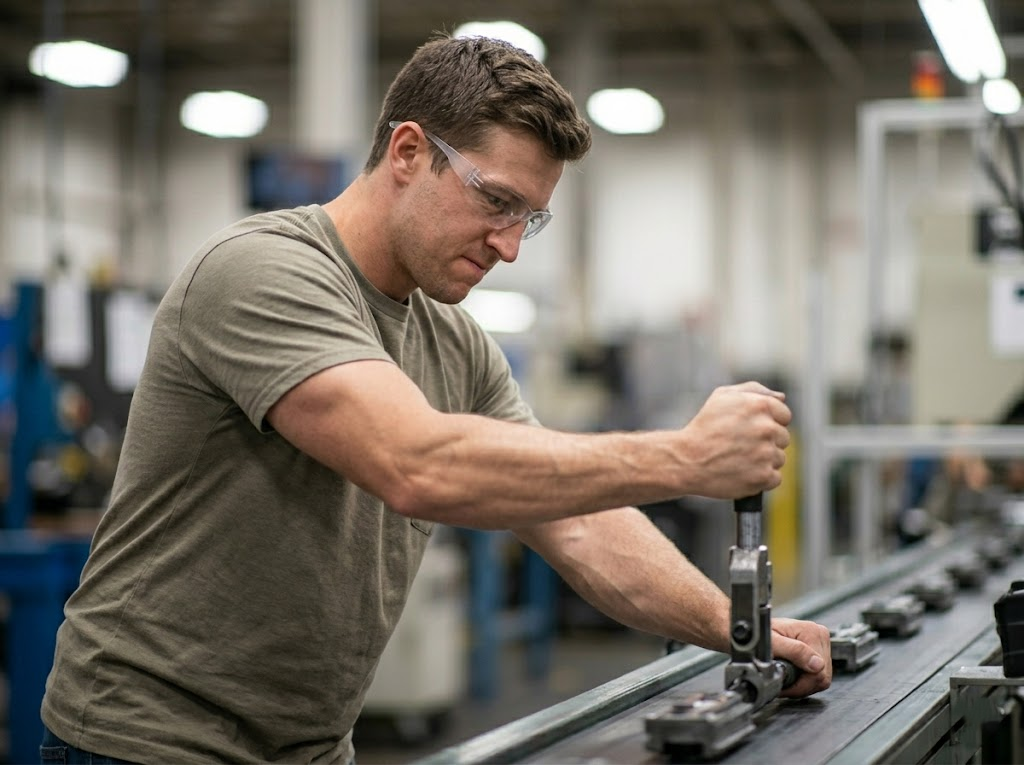
CTDs most commonly affect the hands, wrists, elbows, shoulders, and neck. They can develop in almost any job or daily activity that involves sustained or repetitive movement, from typing at a desk to working on an assembly line to playing a musical instrument.
Most CTDs fall into one of two broad categories:
- Tendon disorders — caused by repetitive loading of tendons, the fibrous tissue connecting muscles to bones. Tendonitis and tenosynovitis are common examples.
- Nerve disorders — caused by nerve compression or irritation, often in narrow anatomical spaces such as the wrist or elbow. Carpal tunnel syndrome is the most recognized example.
Both categories share the same underlying mechanism: the rate of tissue damage exceeds the body’s natural repair rate.
CTD vs. RSI: Are They the Same Thing?
The terms cumulative trauma disorder and repetitive strain injury (RSI) are frequently used interchangeably, and in many contexts, that is perfectly fine. They describe the same fundamental problem. However, there is a subtle difference worth understanding.

RSI is often used as an umbrella term encompassing any injury to the musculoskeletal or nervous system resulting from repetitive use, vibration, sustained postures, or compression forces. CTD carries essentially the same meaning but places extra emphasis on the cumulative and time-dependent nature of the damage.
Other terms you might come across for the same group of conditions include:
- Overuse syndrome
- Work-related musculoskeletal disorder (WMSD)
- Repetitive motion disorder
- Occupational overuse syndrome
All of these are describing the same cluster of conditions, driven by the same core problem: tissues that are repeatedly stressed without adequate time to recover.
The Most Common Types of Cumulative Trauma Disorder
CTD covers a wide range of conditions. Most fall into two broad categories: tendon disorders and nerve disorders.
Carpal Tunnel Syndrome
Carpal tunnel syndrome is one of the most frequently diagnosed forms of cumulative trauma disorder. It occurs when the carpal tunnel in the wrist compresses the median nerve, leading to numbness, tingling, and weakness in the hand. Jobs that combine high force, high repetition, and awkward wrist positioning carry the highest risk for this condition, including typing-heavy roles, assembly work, and food processing.
Tendonitis
Tendonitis is inflammation of a tendon, most often occurring where a tendon attaches to a bone or passes over one. Occupational risk factors include repetition, force, sustained awkward posture, and vibration. The wrist, elbow, and shoulder are the most commonly affected areas. Rotator cuff tendonitis, for example, is common in people whose work requires sustained or overhead arm movements.
Bursitis
Bursae are small, fluid-filled sacs that sit between bones and soft tissue, helping joints move smoothly. When bursae become inflamed through repetitive motion or sustained pressure, the result is bursitis. Bursitis typically presents as localized pain and swelling near a shoulder, elbow, hip, or knee joint, and can significantly limit range of motion.
Tennis Elbow (Lateral Epicondylitis)
Despite the name, tennis elbow affects far more office workers than athletes. It is an irritation and inflammation of the tendons on the outside of the elbow, caused by repetitive or forceful gripping and wrist extension. Typing, using a mouse, and performing manual work with the hands are all common contributors.
Trigger Finger (Stenosing Tenosynovitis)
Trigger finger occurs when inflammation narrows the space inside the tendon sheath surrounding the finger tendons, making it difficult to straighten or bend the affected finger. In some cases, the finger may lock in a bent position. Repetitive gripping is the most frequent cause.
De Quervain’s Disease
This CTD affects the tendons on the thumb side of the wrist. Repetitive hand and wrist movements, particularly those that involve pinching or grasping while moving the wrist, are the main contributors. Pain and swelling near the base of the thumb are characteristic symptoms.
Raynaud’s Syndrome
Raynaud’s syndrome is caused by prolonged use of vibrating tools and presents with pale skin and numbness in the fingers. In more severe cases, it can lead to muscle loss in the hands.
Warning Signs Worth Paying Attention To

CTDs typically develop through a predictable progression. Recognizing the early signs gives you the best chance of addressing the problem before it becomes serious. Watch for these warning signals:
- Aching, tingling, or numbness in the hands, wrists, forearms, or fingers
- Pain that appears during repetitive activity and fades with rest (early stage)
- Stiffness or a clumsy feeling in the hands or fingers
- Pain that begins to linger after work hours or during rest (progressing stage)
- Weakness in the grip or difficulty with fine motor tasks like buttoning a shirt
- Swelling or tenderness around a joint
- Symptoms that are noticeably worse at night
At the earliest signs, reducing repetitive load, addressing posture, and seeking a professional opinion are the right moves. Waiting until symptoms are constant and severe significantly complicates recovery.
Who Is at Risk of Cumulative Trauma Disorder?
Research confirms that CTDs are the leading cause of occupational disease in the United States, and they affect a remarkably wide range of people. While they are heavily associated with office and industrial work, almost any repetitive activity, performed often enough, creates risk.
Occupations with elevated CTD risk include:
- Office workers and data entry professionals (typing, mouse use, sustained sitting)
- Assembly line and factory workers (repetitive gripping, bending, lifting)
- Healthcare workers (patient handling, sustained postures)
- Musicians and performing artists (sustained fine motor movements)
- Retail and warehouse workers (scanning, lifting, packing)
- Construction workers (tool use, vibration, forceful gripping)
- Tradespeople such as carpenters, electricians, and plumbers
The thing that connects all of these is not the nature of the work itself but the pattern: the same tissues, loaded repeatedly, without adequate recovery.
Why Working Through the Pain Only Makes Things Worse
This is where a lot of people go wrong, and understandably so. When pain arrives gradually, it can feel manageable. It might even get a little better on a given day. So the natural instinct is to carry on, stretch it out, and wait for it to pass on its own.
The problem is that ignored CTD symptoms tend to progress. What begins as mild discomfort during activity can advance to pain that persists even at rest. Left without intervention, long-term complications such as chronic inflammation, permanent structural changes in tendons, and nerve damage can develop.

Here is why pushing through accelerates the damage. When inflammation is present in a tendon or nerve channel, the tissues in that area are already compromised. Continuing the same repetitive activity under those conditions adds new micro-trauma to tissues that have not yet recovered from the last round. The healing deficit grows larger, not smaller.
Continuing activity through pain also recruits neighboring muscles and tendons to compensate for the affected area, spreading the strain and potentially causing secondary injuries in other parts of the arm, shoulder, or neck.
Early intervention consistently produces better outcomes than delayed treatment. The earlier the pattern of damage is disrupted, the less structural change has occurred, and the faster recovery tends to be.
What You Can Do About It
CTDs are both preventable and treatable, especially when caught early. Most cases respond well to a combination of practical, non-surgical measures, and the earlier you act, the more options you have.
Reduce the Source of Strain
The first and most obvious step is to give the affected tissue genuine relief from the repetitive load that caused the problem in the first place. This does not always mean stopping work entirely. What it does mean is modifying tasks, reducing the frequency of the aggravating motion, and giving the healing cycle a real chance to catch up. If the same activity continues at the same intensity while symptoms persist, the tissue deficit continues to widen.
Fix Your Workstation Ergonomics

Many CTDs develop and persist directly because of poor workstation design, awkward tool use, or sustained postures that nobody has thought to correct. Research consistently links poor ergonomic environments to elevated CTD risk.
The good news is that ergonomic changes are often inexpensive and have an immediate impact on the strain the body absorbs over the course of a workday.
Wrists, keyboard, and mouse
Keep wrists in a neutral, straight position while typing and using the mouse. Bent wrists compress the carpal tunnel and increase tendon friction with every keystroke. A keyboard tray set slightly below desk height, combined with a wrist rest, can passively help maintain neutral wrist alignment.
Monitor height and screen distance
Set the monitor so the top edge of the screen sits at or just below eye level, roughly 20 to 30 inches from the face. A screen that is too low pulls the head and neck into a forward position, adding strain to the cervical spine and upper trapezius with every hour of work.
Chair, posture, and seated position
Sit with feet flat on the floor, knees at around 90 degrees, and the lower back supported by the chair’s lumbar support. Elbows should rest at roughly desk height with shoulders relaxed. An ergonomic chair that fits the worker’s body dimensions takes a significant amount of postural load off the muscles that would otherwise be working to maintain position.
Tool selection
For manual workers, choosing tools with ergonomically shaped handles reduces the pinching and gripping force required for each task. Tools that allow the wrist to stay neutral, vibration-damped equipment, and lighter-weight alternatives can all reduce the cumulative tissue load over a shift.
Build in Regular Movement Breaks
Holding any position for extended periods, even a well-configured one, creates sustained low-level strain that accumulates over hours. Taking short, frequent movement breaks allows tissues to decompress, circulation to improve, and the muscles and tendons involved in repetitive tasks to recover before the next cycle begins.
A simple micro-break schedule of standing, stretching, and walking briefly every 20 to 30 minutes is enough to meaningfully interrupt the accumulation pattern. Phone reminders, desktop break apps, or simply building breaks around natural task transitions all work well as prompts.
Stretch Regularly and Specifically

Stretching the muscles and tendons involved in repetitive work improves tissue flexibility and local circulation, both of which support recovery. According to the Cleveland Clinic, stretching is particularly helpful before activities that tend to aggravate symptoms, since it warms the tissue and improves glide within the tendon sheath.
Apply Heat and Ice Strategically
Heat and cold therapy are accessible and genuinely useful for managing pain and inflammation during recovery. Treatment guidelines typically recommend using ice in the first couple of days after a flare-up, then transitioning to heat before activity and ice after activity as recovery progresses.
- Ice (applied for 10 to 15 minutes, always wrapped in cloth rather than directly on skin) reduces acute inflammation and numbs sharper reactive pain
- Heat (15 to 20 minutes from a heating pad or warm towel) loosens stiff muscles and improves local blood flow, making it particularly useful as a warm-up before stretching or physical work
Neither approach corrects the underlying cause, but both make the rest of the recovery plan more comfortable and effective.
Consider Massage and Manual Therapy
Massage therapy and hands-on manual treatment can reduce muscle tension, break up soft-tissue adhesions, and improve circulation in affected areas. For people dealing with persistent tightness or trigger points in the forearm, shoulder, or neck alongside a CTD, regular massage can meaningfully accelerate recovery. Soft-tissue mobilization improves tissue quality and function in ways that passive rest alone cannot replicate.
Anti-inflammatory nutrition also supports the recovery process. Foods rich in omega-3 fatty acids, such as salmon, walnuts, and flaxseed, help reduce systemic inflammation, while staying well hydrated keeps the tendons and joint tissues properly supplied. Limiting processed foods and alcohol during recovery supports the body’s capacity for tissue repair at the cellular level.
Self-massage with a foam roller or massage ball along the forearm and upper back is a practical supplement between professional sessions.
Seek Professional Assessment and Treatment
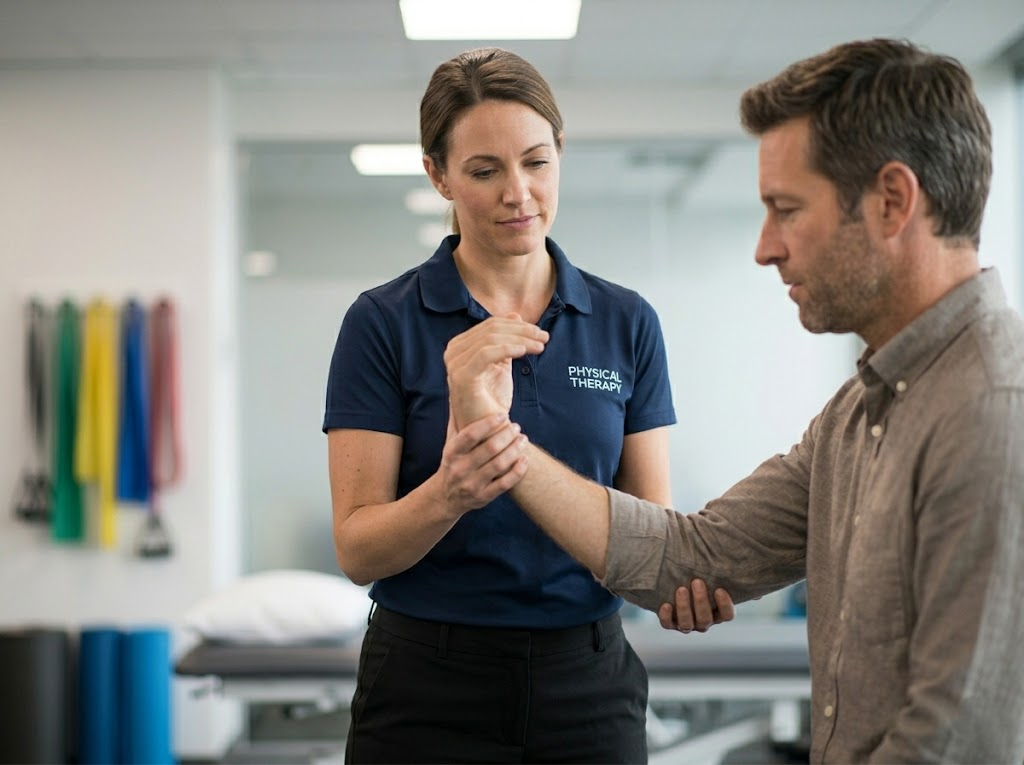
When symptoms persist beyond a few weeks or begin to interfere with daily functioning, professional evaluation is the right move.
Physical and Occupational Therapy
A physical therapist or occupational therapist can confirm the diagnosis, identify the specific contributing factors in your case, and design a structured rehabilitation program. Early professional assessment consistently yields better outcomes because treating a CTD before significant structural tissue changes occur makes recovery faster and more complete. Occupational therapists, in particular, are well-positioned to assess the work environment and recommend task modifications alongside clinical treatment.
Medical Interventions
For cases where conservative approaches have not resolved the condition, a physician may recommend prescription anti-inflammatory medications, corticosteroid injections for targeted relief of conditions such as carpal tunnel syndrome or tendonitis, or splinting combined with a structured therapy program. NSAIDs are commonly used in the early management of CTD flare-ups to reduce inflammation alongside corrective measures. For severe cases that do not respond to non-surgical treatment, procedures such as carpal tunnel release surgery or tendon repair may be discussed with a specialist.
Ergo Global Can Help You Stay Ahead of It
At Ergo Global, we work with individuals and organizations to identify and address the ergonomic risk factors that lead to cumulative trauma disorders before they become a real problem. Our consultants assess workstations, work habits, posture patterns, and task design, then provide practical, personalized recommendations that reduce repetitive strain and protect long-term musculoskeletal health.
Whether you are an employer looking to protect your team or an individual noticing the early warning signs, we are here to help. Prevention is far more straightforward than recovery, and a better-designed workspace can make a meaningful difference.
Talk to our team today and take the first step toward a healthier workspace.