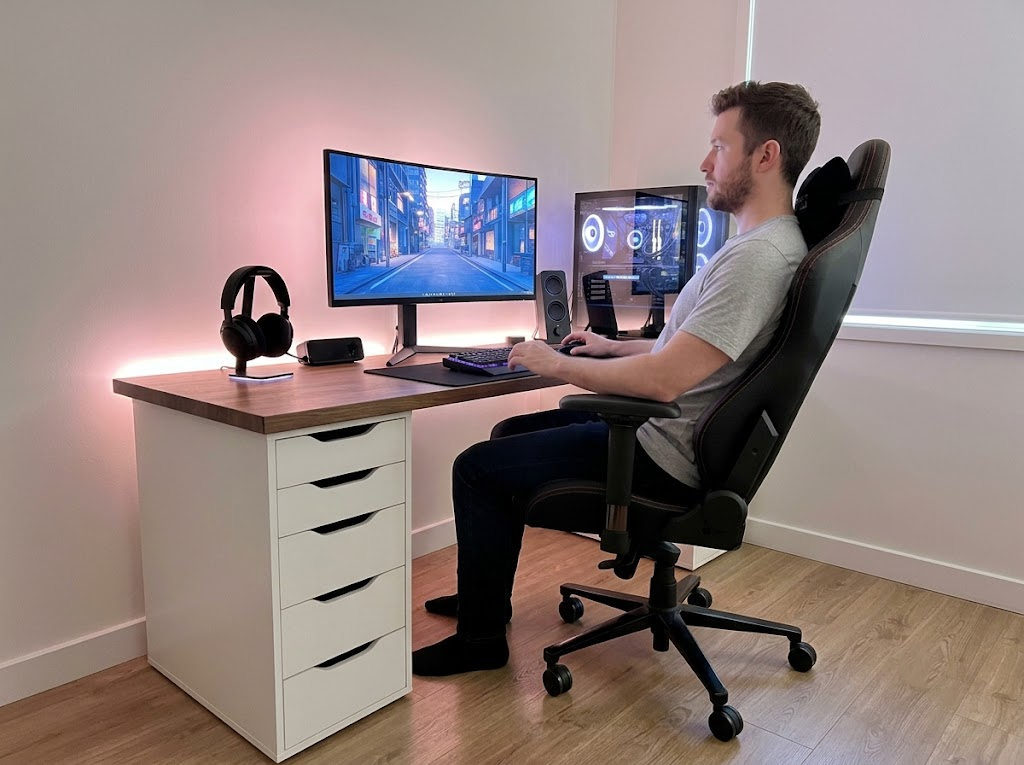


Identifying ergonomic hazards examples in the workplace is the fundamental first step toward fostering a culture of safety and operational excellence. Ergo Global provides the specialized insights necessary to recognize these often invisible risks before they manifest as costly injuries or lost productivity.
What Are Ergonomic Hazards
Ergonomics is the scientific discipline concerned with the understanding of interactions among humans and other elements of a system. It applies theory and data to design in order to optimize human well-being and overall system performance.
When the environment or task does not match the worker’s physical capabilities, an ergonomic hazard exists. These hazards are physical factors in the environment that may cause musculoskeletal disorders or other health issues.
Musculoskeletal disorders (MSDs) affect the muscles, nerves, tendons, and joints. These conditions often develop over time rather than resulting from a single traumatic event. This cumulative nature makes them particularly dangerous because workers might ignore minor discomfort until the damage becomes chronic.
By examining specific ergonomic hazards examples, organizations can implement preventative controls that protect their human capital.
Common Ergonomic Hazards Examples
The following sections detail the primary categories of ergonomic risks encountered in modern work environments. Each category includes specific scenarios and the biological impact of these stressors.
1. Repetitive Motion

Repetition involves performing the same motion or series of motions continually or frequently for an extended period. This is one of the most cited ergonomic hazards examples in both office and industrial settings. When a worker performs the same task without sufficient recovery time, the affected tissues do not have the opportunity to heal.
- Data Entry and Typing: Continuous keyboard and mouse use for several hours a day can strain the tendons in the wrists and hands.
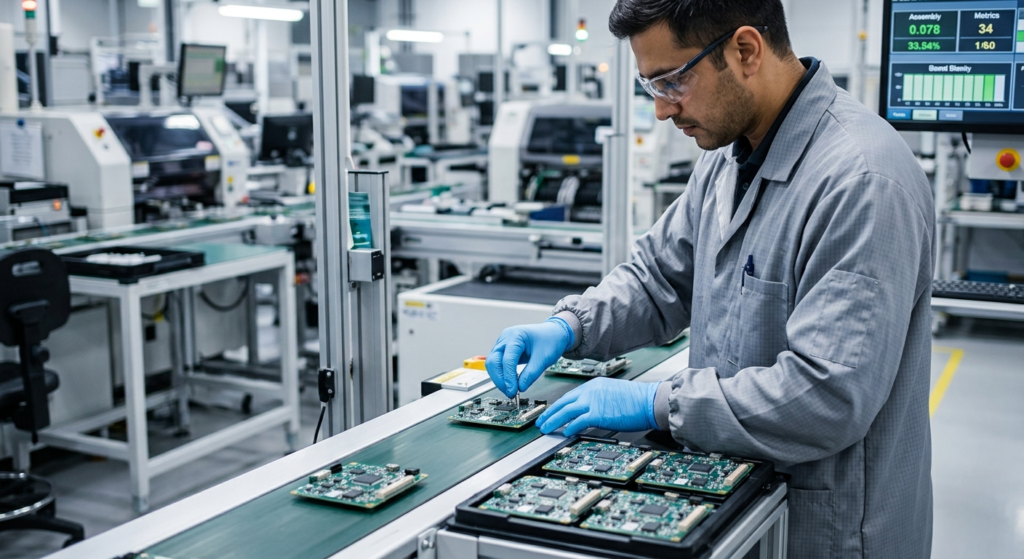
- Assembly Line Work: Workers on a production line who perform a specific attachment or sorting task every few seconds are at high risk.
- Scanning Items: Grocery clerks who scan items with a repetitive swiping motion often experience shoulder and elbow strain.
The risk increases when repetition is combined with other factors, such as force or awkward postures. Over time, this leads to conditions such as tendonitis or carpal tunnel syndrome.
2. Forceful Exertions
Forceful exertion refers to the amount of physical effort required to perform a task or maintain control of equipment. High force can cause muscles to tire more quickly and can create high levels of mechanical stress on the joints.
- Heavy Lifting: Moving boxes or equipment that exceeds an individual’s physical capacity places immense pressure on the lumbar spine.
- Pushing and Pulling: Moving heavy carts or machinery requires significant force from the legs and back.
- Grasping and Pinching: Using a forceful grip to hold small tools or components can strain the small muscles in the hands.
In technical terms, the force exerted on the body can be calculated through various biomechanical models. For instance, the compressive force on the $L5/S1$ spinal disc is a critical metric in industrial ergonomics. If the force exceeds the recommended limits established by the National Institute for Occupational Safety and Health (NIOSH), the probability of injury increases significantly.
3. Awkward Postures
A posture is considered awkward when it deviates significantly from a neutral position. A neutral position is one in which the joints are naturally aligned, and the muscles are at their most efficient length. Awkward postures increase the effort required to perform a task and place uneven pressure on the joints.
| Posture Type | Description | Potential Health Impact |
| Flexion | Bending the neck or back forward. | Disc herniation and muscle strain. |
| Extension | Bending the neck or back backward. | Joint compression and nerve impingement. |
| Abduction | Reaching out to the side or away from the body. | Rotator cuff tears and shoulder impingement. |
| Ulnar/Radial Deviation | Bending the wrist toward the pinky or thumb. | Carpal tunnel syndrome and De Quervain’s tenosynovitis. |
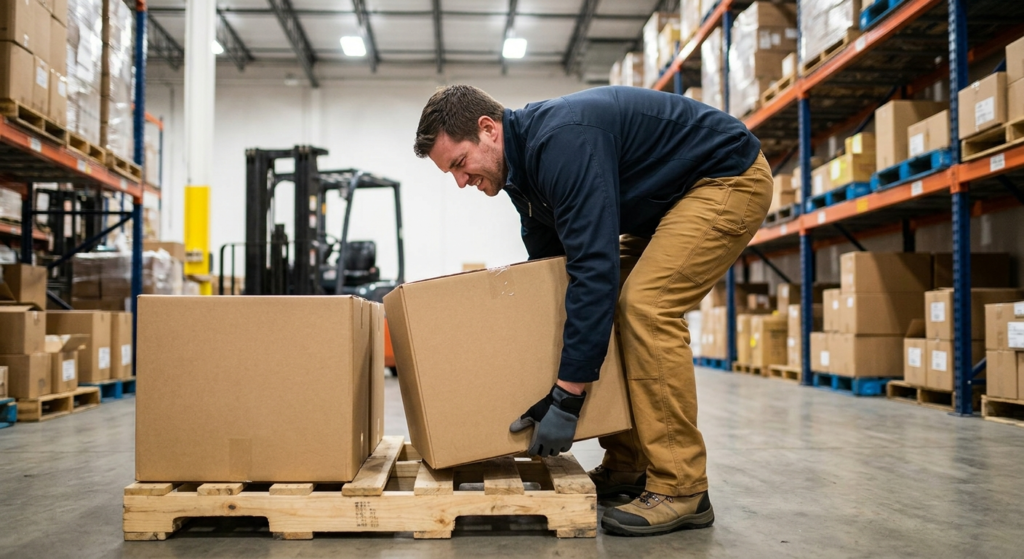
Typical ergonomic hazards examples involving posture include reaching overhead to retrieve items from high shelves or twisting the torso while carrying a load. Working with the wrists bent while typing is another frequent violation of neutral positioning.
4. Static Postures
While movement can cause wear and tear, a lack of movement is equally hazardous. Static postures occur when a worker holds a position for an extended period. This restricts blood flow to the muscles and prevents the removal of metabolic waste products.
- Prolonged Standing: Workers at security stations or assembly points who stand in one spot experience pooling of blood in the legs and lower back fatigue.
- Prolonged Sitting: Office workers who sit for 8 hours without changing position may experience tight hip flexors and weakened core muscles.
- Holding Tools: Keeping an arm elevated to hold a tool in place without moving creates a static load on the shoulder muscles.
Static loading leads to early fatigue and can make the body more susceptible to injury when a sudden movement is eventually required.
Environmental and Tool-Based Hazards
Ergonomics extends beyond just the way a body moves. It also encompasses the tools used and the environment in which the work takes place.
Vibration
Exposure to vibration is a significant ergonomic hazard that affects the vascular and nervous systems. This is usually categorized into two types: whole-body vibration and hand-arm vibration.
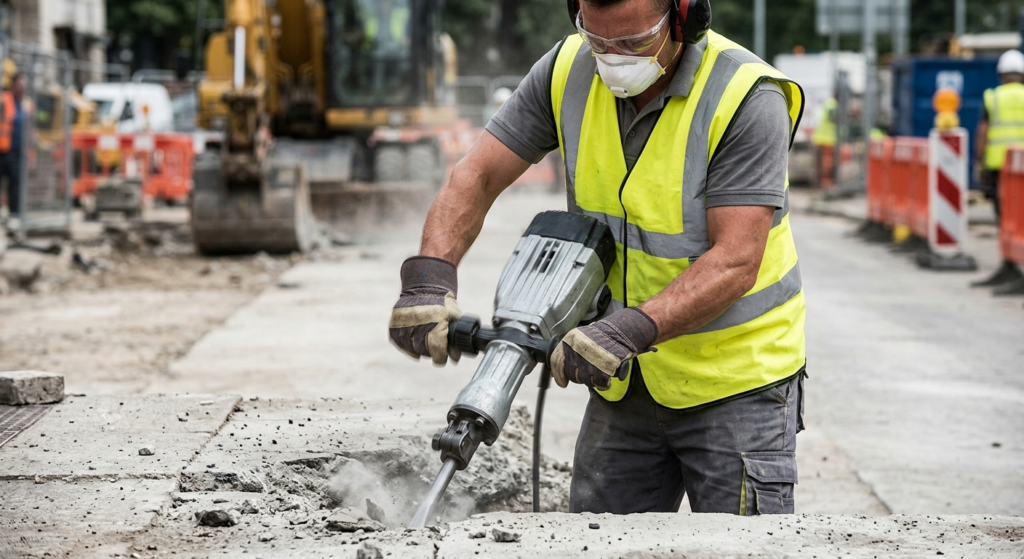
- Hand-Arm Vibration: This occurs when using power tools like jackhammers or grinders. It can lead to Hand-Arm Vibration Syndrome (HAVS). This condition involves whitening of the fingers and loss of sensation.
- Whole-Body Vibration: This affects drivers of heavy machinery or trucks. The vibration from the vehicle travels through the seat and into the spine, which contributes to chronic back pain.
Contact Stress
Contact stress occurs when a hard or sharp object presses into the body’s soft tissues. This pressure can inhibit nerve function and restrict blood flow.
- Leaning on Desk Edges: Resting wrists or forearms on the sharp edge of a desk while typing can create pressure points.
- Tool Handles: Using tools with short handles that end in the middle of the palm can cause damage to internal tissue.
- Kneeling on Hard Floors: Maintenance workers who kneel on concrete without padding experience direct stress on the knee joints.
Lighting and Temperature
Poor lighting forces workers into awkward postures as they lean forward to see their work. This is a common example of how environmental factors create secondary ergonomic risks. Similarly, extreme temperatures affect the body’s ability to function. Cold environments reduce manual dexterity and increase the force required to grip objects.
Biomechanical Risk Assessment
To accurately evaluate ergonomic hazards, professionals often use the NIOSH Lifting Equation. This formula helps determine the Recommended Weight Limit (RWL) for manual lifting tasks. The equation is represented as:
RWL = LC × HM × VM × DM × AM × FM × CM
In this formula, the variables represent the following:
- LC: Load Constant.
- HM: Horizontal Multiplier.
- VM: Vertical Multiplier.
- DM: Distance Multiplier.
- AM: Asymmetric Multiplier.
- FM: Frequency Multiplier.
- CM: Coupling Multiplier.
By calculating these factors, Ergo Global can identify whether a specific task poses a high risk of lower back injury. This scientific approach removes guesswork and provides data-driven solutions for workplace safety.
The Impact of Ignoring Ergonomic Hazards
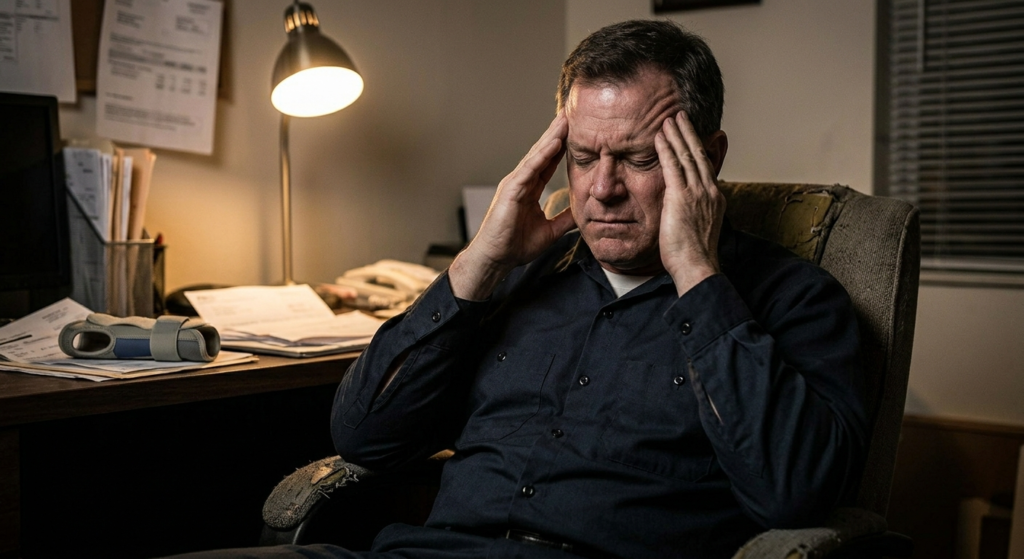
The consequences of failing to address these risks are substantial for both the employee and the employer. For the employee, the result is often chronic pain and a reduced quality of life. For the employer, the costs manifest in several ways.
Financial Burden
Workplace injuries lead to high workers’ compensation claims and increased insurance premiums. The direct costs of medical treatment are only the beginning. Indirect costs include the expense of training replacement workers and the loss of experienced staff.
Reduced Productivity
When workers are in pain or fatigued, their efficiency drops. They may take more frequent breaks or work at a slower pace to avoid discomfort. Furthermore, the quality of work often suffers as concentration is diverted from the task to the physical pain.
Employee Morale and Retention
A workplace that ignores ergonomic hazards often suffers from high turnover. Employees are more likely to seek positions at companies that prioritize their physical well-being. A commitment to ergonomics demonstrates that an organization values its people.
Mitigation Strategies with Ergo Global
Addressing the ergonomic hazards examples mentioned above requires a systematic approach known as the Hierarchy of Controls. This framework prioritizes the most effective methods for reducing risk.

Engineering Controls
These are the most effective solutions because they remove the hazard at the source. Examples include:
- Installing adjustable workstations to accommodate different body sizes.
- Using mechanical assists like hoists or conveyors to eliminate heavy lifting.
- Redesigning tools to ensure they can be used in a neutral wrist position.
Administrative Controls
When the hazard cannot be engineered out entirely, administrative changes can reduce exposure.
- Implementing job rotation to ensure workers do not perform the same repetitive task all day.
- Mandating stretch breaks to combat the effects of static postures.
- Providing comprehensive training on proper lifting techniques and workstation setup.
Personal Protective Equipment
While least effective as a standalone measure, PPE can provide an extra layer of protection.
- Vibration-dampening gloves for tool operators.
- Knee pads for floor-level work.
- Anti-fatigue mats for employees who must stand for long periods.
Industrial and Office Specific Scenarios
The manifestation of ergonomic risks varies by industry. However, the underlying principles of biomechanics remain consistent.
The Office Environment
In the digital age, the office is a primary site for ergonomic issues. The most frequent ergonomic hazards examples here involve the workstation setup. A monitor that is too low forces the neck into flexion. A chair without lumbar support causes the spine to slump into a C-shape. Ergo Global specializes in remote and in-person office assessments to optimize these environments for health and focus.
The Healthcare Sector
Healthcare workers face unique challenges. Patient handling is a high-force activity that often involves awkward postures. Transferring a patient from a bed to a wheelchair requires significant exertion and twisting. Hospitals that implement no-lift policies and use mechanical patient lifts see a dramatic reduction in staff injuries.

Manufacturing and Warehousing
In these sectors, the combination of high frequency and heavy loads is common. Warehouse pickers who reach into deep bins or stretch to high shelves are constantly exposed to awkward postures. Implementing automated retrieval systems or adjustable-height bins can effectively mitigate these risks.
About Ergo Global
Recognizing ergonomic hazards is an essential skill for any modern business leader or safety professional. Whether it is the subtle strain of repetitive typing or the significant force required for industrial lifting, these risks demand professional attention.
Ergo Global is dedicated to helping organizations navigate these complexities through expert consultation and data-backed interventions. By prioritizing ergonomics, companies protect their most valuable assets while simultaneously improving their bottom line. A proactive approach to workplace design ensures that every employee can work safely and efficiently for years to come.
Contact us to learn more about our ergonomic assessment services and solutions.