


When people think about workplace injuries, they often picture dramatic accidents. The reality, however, is that many of the most debilitating and costly injuries develop slowly and silently over time.
Ergonomic injuries are among the most widespread health issues affecting workers across nearly every industry. These conditions stem from repetitive motions, awkward postures, prolonged static positions, and poorly designed workspaces.
Understanding the most common ergonomic injuries is the first step toward preventing them before they become serious, career-altering problems.
What Are Ergonomic Injuries?
Ergonomic injuries, often called musculoskeletal disorders (MSDs), occur when there is a mismatch between the physical demands of a job and the worker’s capabilities. They affect muscles, tendons, ligaments, nerves, joints, and cartilage.

According to the Bureau of Labor Statistics, musculoskeletal disorders account for nearly 30% of all workers’ compensation costs in the United States annually, with employers spending an estimated $20 billion on direct costs alone. When indirect costs such as lost productivity, retraining, and reduced morale are factored in, that figure can climb to as high as $100 billion per year, according to the National Safety Council.
These injuries can affect people working in offices, warehouses, construction sites, healthcare facilities, and retail environments. The good news is that most ergonomic injuries are preventable with the right knowledge, tools, and workplace adjustments.
Below, we cover the 10 most common ergonomic injuries and conditions that workers and employers need to understand.
The 10 Most Common Ergonomic Injuries and Conditions
Whether you work at a desk, on a factory floor, or in a healthcare setting, ergonomic injuries can develop gradually and without warning. The conditions listed below represent the most frequently reported musculoskeletal disorders across industries. Each one is linked to specific workplace risk factors, so each can be addressed with the right ergonomic interventions.
1. Carpal Tunnel Syndrome

Carpal tunnel syndrome is arguably the best-known of all common ergonomic injuries. It occurs when the median nerve, which runs through a narrow passageway in the wrist, becomes compressed or irritated. Workers who spend long hours typing, using a mouse, or performing repetitive hand and wrist motions are particularly vulnerable. According to the National Institute of Neurological Disorders and Stroke, carpal tunnel syndrome affects approximately 3% to 6% of the adult population, and women are three times more likely to develop it than men.
Symptoms
- Numbness and tingling in the fingers
- Burning or aching pain in the wrist and hand
- Weakness in the hand and difficulty gripping objects
- Symptoms that worsen at night or after prolonged use
Causes
- Repetitive keyboard and mouse use over long periods
- Working with the wrists in a bent or flexed position
- Prolonged use of vibrating tools or equipment
- Poor workstation setup that forces awkward wrist angles
2. Tendinitis
Tendinitis refers to the inflammation or irritation of a tendon, the thick fibrous tissue that connects muscle to bone. It is one of the most common ergonomic injuries seen in both office environments and physically demanding jobs. Repetitive overhead movements, gripping tools, and forceful exertions are common triggers that affect workers across a wide range of industries. The American Academy of Orthopedic Surgeons notes that tendinitis accounts for a significant portion of the 4.5 million doctor visits for shoulder pain in the United States each year.
Symptoms
- Dull or sharp pain at the site of the affected tendon
- Swelling and tenderness around the joint
- A feeling of stiffness that worsens with movement
- Reduced range of motion in the affected area
Causes
- Repetitive motions performed without adequate rest or recovery time
- Sudden increases in the intensity or duration of physical tasks
- Forceful exertions when gripping or pushing tools and equipment
- Working in awkward postures that place excessive strain on tendons
3. Lower Back Pain and Disorders

Lower back disorders are among the most common ergonomic injuries and conditions reported by workers worldwide. They can result from prolonged sitting, poor posture, or working in bent or twisted positions for extended periods. According to the Global Burden of Disease Study, low back pain is the single leading cause of disability worldwide, affecting an estimated 619 million people globally as of 2020. In the United States alone, back pain accounts for more than 264 million lost workdays per year, according to the American Chiropractic Association.
Symptoms
- Persistent dull or sharp pain in the lower back
- Muscle stiffness and reduced flexibility
- Pain that radiates down the legs, sometimes reaching the feet
- Difficulty standing, sitting, or walking for extended periods
Causes
- Prolonged sitting without adequate lumbar support
- Poor posture during desk work or driving
- Heavy lifting is performed with improper body mechanics
- Repetitive bending or twisting at the waist throughout the workday
4. Rotator Cuff Injuries
The rotator cuff is a group of four muscles and their tendons surrounding the shoulder joint. Rotator cuff injuries are common among workers who perform repetitive overhead tasks. Painters, construction workers, warehouse employees, and even office workers who frequently reach for items above shoulder height are among those most at risk. The American Academy of Orthopedic Surgeons reports that nearly 2 million people in the United States visit their doctor each year for rotator cuff problems, and rotator cuff tears are present in approximately 30% of people over the age of 60.
Symptoms
- Pain deep in the shoulder, especially when lifting the arm
- Weakness when rotating or raising the shoulder
- A dull ache that worsens at night or when lying on the affected side
- Limited range of motion and difficulty with overhead tasks
Causes
- Repetitive overhead reaching or lifting tasks
- Sustained awkward shoulder positions during work
- Working with the arms raised above shoulder level for extended periods
- Poor workstation design that forces frequent or sustained arm elevation
5. Epicondylitis (Tennis Elbow and Golfer’s Elbow)
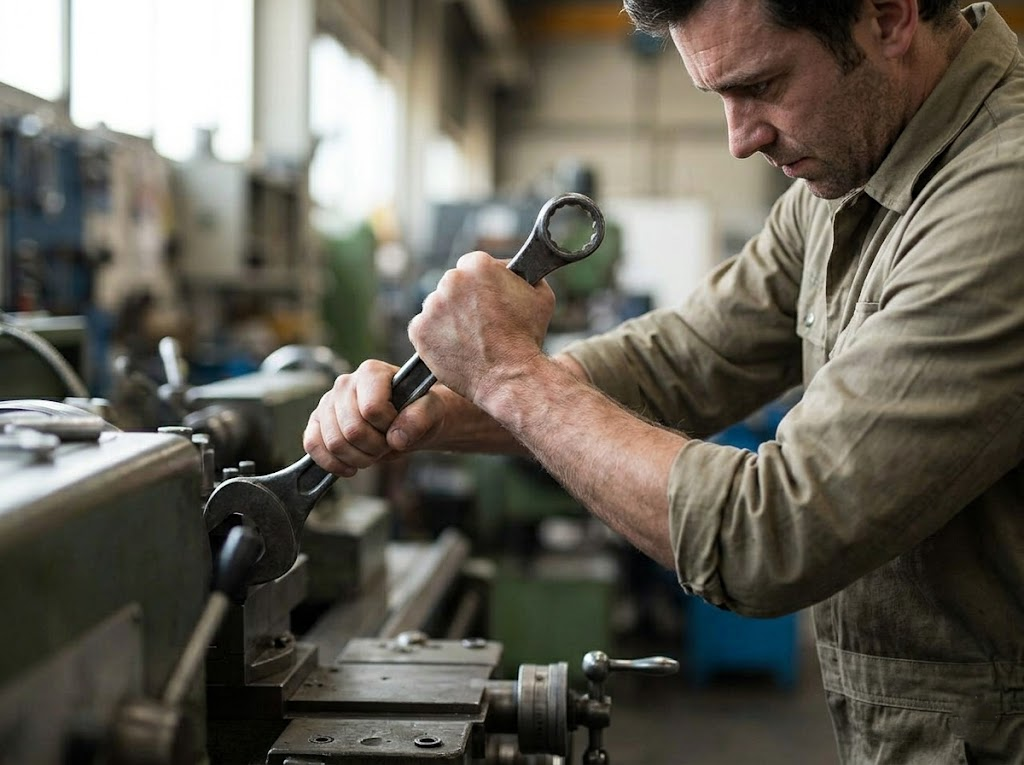
Epicondylitis is the inflammation of the tendons that attach to the elbow. Lateral epicondylitis affects the outer part of the elbow, while medial epicondylitis affects the inner part. Both are among the most common ergonomic injuries in the workplace, despite being associated with recreational sports. According to research published in the Journal of Orthopedic Surgery and Research, lateral epicondylitis affects between 1% and 3% of the general population, with the highest rates observed in workers aged 45 to 54 who perform repetitive arm movements. Cooks, mechanics, carpenters, and computer users are all frequently affected.
Symptoms
- Pain and tenderness on the inside or outside of the elbow
- Weak grip strength that makes it difficult to hold objects
- Pain that radiates down the forearm with gripping or twisting motions
- Stiffness in the elbow, particularly in the morning
Causes
- Repetitive gripping, twisting, or forearm rotation movements
- Using tools that require significant force or an awkward grip
- Prolonged computer mouse use with the forearm unsupported
- Performing tasks that involve repetitive wrist extension or flexion
6. Neck and Shoulder Strain
Neck and shoulder strain is extremely prevalent in today’s workforce, particularly among office workers and anyone who spends significant time looking at screens. This condition firmly belongs on any list of the most common ergonomic injuries because of its widespread prevalence in the digital age. A study published by the National Institutes of Health found that neck pain affects between 27% and 48% of office workers at any given time, making it one of the most reported musculoskeletal complaints in sedentary work environments.
Symptoms
- Persistent tightness, aching, or stiffness in the neck and upper shoulders
- Headaches that originate at the base of the skull
- Reduced ability to turn or tilt the head comfortably
- Tingling or numbness that radiates into the arms or hands
Causes
- Monitor positioned too high, too low, or too far from the user
- Holding the head in a forward position for extended periods
- Cradling a phone between the ear and shoulder during calls
- Sitting in a chair that does not support proper spinal alignment
7. De Quervain’s Tenosynovitis
De Quervain’s tenosynovitis is a condition that affects the tendons on the thumb side of the wrist. Although less commonly discussed than carpal tunnel syndrome, it is still one of the common ergonomic injuries affecting a wide range of workers. Research published in the Journal of Orthopedic and Sports Physical Therapy suggests that the condition has been rising in prevalence alongside the increased use of smartphones and touchscreen devices, with some studies estimating that it affects approximately 0.5% of men and 1.3% of women in working populations.
Symptoms
- Pain and swelling near the base of the thumb
- Difficulty with pinching, grasping, or rotating the wrist
- A snapping or catching sensation when moving the thumb
- Tenderness directly over the tendons on the thumb side of the wrist
Causes
- Repetitive hand and wrist movements involving the thumb
- Frequent pinching or grasping motions throughout the workday
- Prolonged mobile device use with excessive thumb movement
- Assembly line work that requires repetitive fine motor tasks
8. Trigger Finger (Stenosing Tenosynovitis)
Trigger finger occurs when inflammation affects the tendon sheath surrounding the flexor tendons of the finger, causing the finger to catch or lock when bent. It is one of the common ergonomic injuries associated with jobs that require prolonged or repetitive gripping. According to the American Society for Surgery of the Hand, trigger finger has a general population prevalence of approximately 2% to 3%, but that rate rises significantly among workers in industries that involve repeated gripping or vibratory tool use.
Symptoms
- Stiffness in the finger, especially noticeable in the morning
- A popping, clicking, or catching sensation when bending the finger
- Tenderness or a small bump at the base of the affected finger
- The finger is locked in a bent position and is difficult to straighten
Causes
- Prolonged gripping of tools, handles, or equipment throughout the day
- Repetitive flexing of the fingers over long work shifts
- Using tools with handles that do not fit the hand properly
- Work tasks that require sustained or forceful finger pressure
9. Bursitis

Bursitis is the inflammation of the bursae, the small fluid-filled sacs that cushion the bones, tendons, and muscles near joints. It most commonly affects the shoulder, elbow, hip, and knee. Bursitis is one of the more common and painful ergonomic injuries because it can severely limit joint movement and make routine work tasks feel unbearable. According to research cited by the Cleveland Clinic, bursitis accounts for approximately 0.4% of all primary care consultations, and shoulder bursitis is among the most common causes of shoulder pain in clinical practice.
Symptoms
- Localized pain, swelling, and tenderness around the affected joint
- Stiffness and reduced range of motion in the shoulder, elbow, hip, or knee
- Pain that worsens with movement or direct pressure on the joint
- Warmth and redness over the affected area in more acute cases
Causes
- Repetitive motions that place stress on the same joint repeatedly
- Prolonged kneeling, leaning on elbows, or other sustained pressure on joints
- Working in awkward or cramped postures that compress joint structures
- Overhead work that places excessive and repeated stress on the shoulder bursa
10. Thoracic Outlet Syndrome
Thoracic outlet syndrome occurs when nerves or blood vessels between the collarbone and the first rib become compressed. While it may be less well-known compared to other conditions on this list, it absolutely belongs among the most common ergonomic injuries affecting modern workers. The Mayo Clinic estimates that thoracic outlet syndrome has a prevalence of approximately 1% in the general population, though many cases go undiagnosed due to the wide variety of symptoms it can produce.
Symptoms
- Pain in the shoulders, neck, and arms
- Numbness and tingling in the fingers and hands
- Weakness in the arm or hand, making tasks difficult to complete
- Discoloration or swelling in the arm in more severe vascular cases
Causes
- Repetitive overhead arm movements are performed throughout the workday
- Poor posture that causes the shoulders to round forward consistently
- Carrying heavy loads on the shoulders that compress the thoracic outlet
- Sustained arm elevation required by certain manufacturing or data entry tasks
How to Prevent Ergonomic Injuries in the Workplace

Understanding the most common ergonomic injuries is valuable, but prevention is where the real impact happens. The Occupational Safety and Health Administration estimates that employers can reduce ergonomic injury rates by up to 60% through targeted workplace interventions, and that every dollar invested in ergonomics programs returns between $2 and $6 in reduced costs and improved productivity.
Here are some practical strategies to reduce risk in virtually any work environment.
Conduct Regular Ergonomic Assessments
A proper workstation evaluation identifies risk factors before they lead to injury. This applies to both traditional office environments and industrial settings. Assessments should look at reach zones, monitor heights, and the physical demands of specific tasks. By analyzing the interface between the worker and their tools, you can pinpoint exactly where the body is being forced to compensate for a poor setup.
Invest in Ergonomic Equipment
High-quality tools are the foundation of a safe workspace. Adjustable desks allow users to alternate between sitting and standing, which redistributes pressure on the spine. Supportive chairs with adjustable lumbar height and depth ensure the lower back remains protected. Additionally, monitor arms, vertical mice, and anti-fatigue mats reduce physical strain significantly by keeping the body in a neutral posture.
Encourage Movement and Microbreaks
Staying in one position for too long is one of the leading contributors to the most common ergonomic injuries. Static muscle loading restricts blood flow, leading to rapid fatigue. Encouraging workers to move, stretch, and change positions every thirty minutes can make a measurable difference. Even a sixty-second break to roll the shoulders or stretch the wrists allows tissues to recover and resets the internal clock on repetitive strain.
Provide Ergonomics Training
Workers who understand proper posture and safe lifting techniques are better equipped to protect themselves. Training should go beyond a simple handbook. It should include hands-on demonstrations on how to adjust equipment and recognize the early warning signs of injury. When employees know how to listen to their bodies, they can make small adjustments that prevent long-term damage.
Create a Culture of Reporting
Early symptoms must be addressed before they escalate into serious conditions. Employers who encourage open communication about discomfort can intervene much earlier in the process. When workers feel safe reporting a tingling wrist or a stiff neck without fear of reprisal, the company can provide immediate ergonomic adjustments. This proactive approach stops a minor ache from becoming a costly chronic disability.
Work With Ergo Global to Protect Your Team
At Ergo Global, we are passionate about helping organizations eliminate the risk of the most common ergonomic injuries before they impact your people and your bottom line.

Our certified ergonomics consultants work directly with your team to conduct thorough workplace assessments, identify hazards, and implement customized solutions that actually work. We have helped businesses across industries build healthier, more productive work environments through evidence-based ergonomic strategies.
Whether you have a single office location or a large multi-site operation, we are ready to support you every step of the way.
Ready to work pain-free for years to come?
Contact Ergo Global today for a personalized ergonomic assessment.