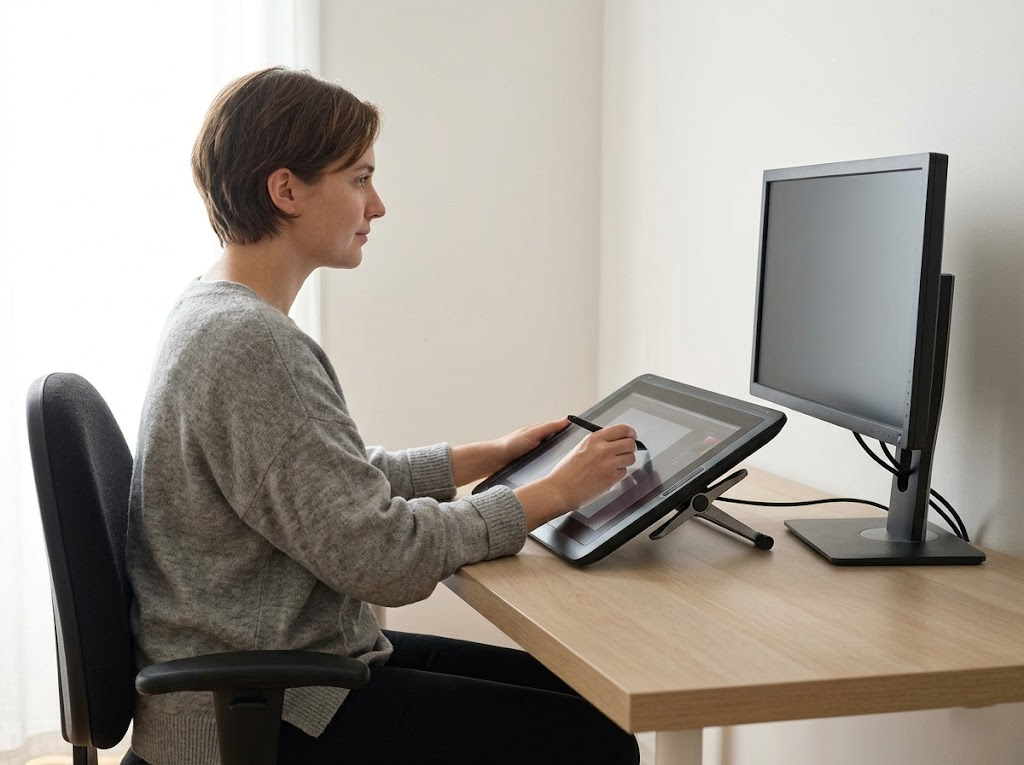


Healthcare is one of the most physically and mentally demanding sectors in the global economy. Professionals in this field often work in high-pressure situations while managing complex equipment and vulnerable patients.
Because of these challenges, implementing ergonomics in healthcare environments is no longer a luxury. It is a fundamental requirement for the safety of both providers and patients. By designing the work to fit the worker, healthcare facilities can transform their operations into models of efficiency and health.
What Does Ergonomics Mean in a Healthcare Environment?
In its simplest form, ergonomics is the study of people in their working environment. In a medical setting, it refers to the strategic design of tools and workflows to reduce physical and mental strain. This includes everything from the height of a surgical table to the layout of a digital charting system.
The goal of ergonomics for healthcare environments is to optimize human well-being and overall system performance. It is a science that looks at the physical demands of patient care and the cognitive load of decision-making.
When a hospital is ergonomically sound, the equipment works for staff rather than forcing them to struggle with it. This creates a seamless flow that allows medical professionals to perform their duties with minimal risk of long-term injury.
The Ergonomic Risks Healthcare Workers Face
The healthcare industry is notoriously dangerous for the physical body. According to the U.S. Bureau of Labor Statistics, healthcare workers experience some of the highest rates of musculoskeletal disorders (MSDs) in the country.

These risks are inherent to the nature of the work but are often made worse by poor design and negligence.
- Manual Patient Handling: Lifting and moving patients is perhaps the most significant risk factor. Patients are often heavy and unpredictable. Nurses and aides frequently perform manual transfers that exceed their physiological limits. This leads to immediate acute injuries or chronic wear and tear on the spine.
- Repetitive Motion Strain: Laboratory workers and pharmacy staff often perform the same motions thousands of times per shift. This includes pipetting samples or opening medication bottles. Over time, these small and repetitive actions lead to carpal tunnel syndrome and other tendon issues.
- Static and Awkward: Postures Surgeons and dental professionals often stay in fixed positions for hours. They may lean forward or twist their bodies to gain a better view of a procedure site. These static postures restrict blood flow and create intense pressure on specific muscle groups.
- Cognitive Overload: Ergonomics also covers mental strain. Poorly designed alarm systems or confusing software interfaces can lead to decision fatigue. This increases the risk of medical errors.
- Prolonged Standing: Most hospital staff spend their entire twelve-hour shifts on their feet. Standing on hard clinical surfaces for long periods leads to venous insufficiency and severe lower back pain. It also increases the risk of developing plantar fasciitis.
How Ergonomics Can Improve These Risks
The good news is that these risks are highly manageable through smart design. Proper ergonomics for healthcare environments addresses these hazards at the source. Effective ergonomics in healthcare environments uses technology and design to mitigate these hazards.
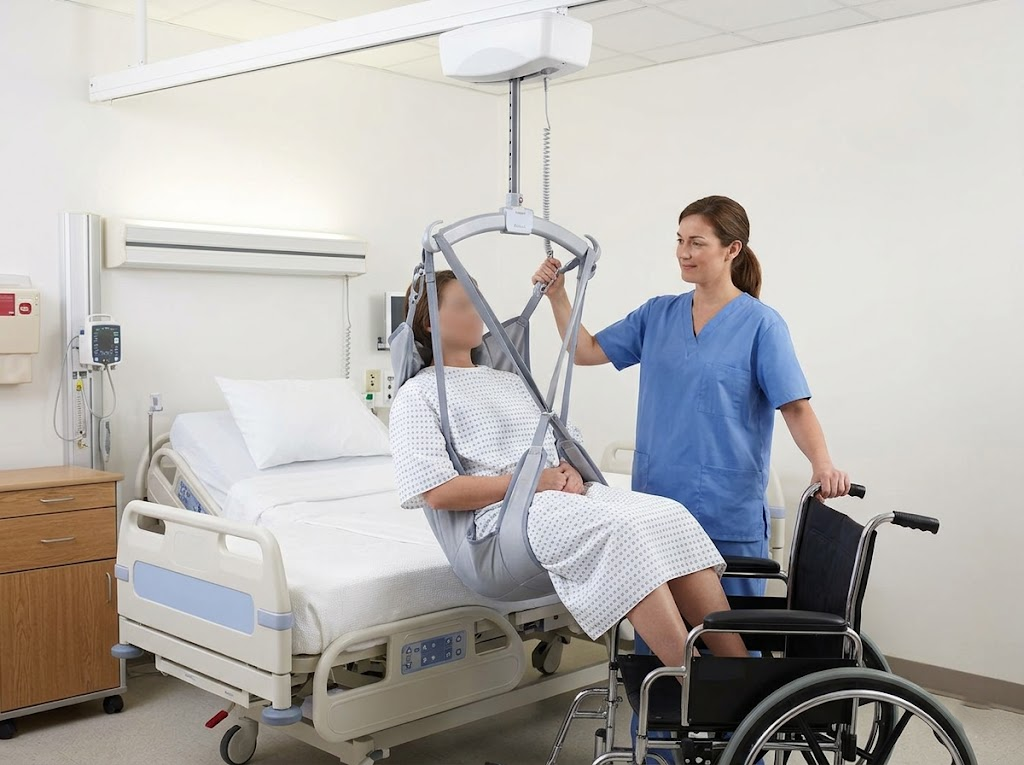
We can solve these problems by changing how the work is performed.
- Mechanical Assistive Technology: Replacing manual lifting with ceiling-mounted hoists and floor lifts removes the physical burden from nursing staff. Research from OSHA shows that safe patient handling programs can reduce caregiver injuries by over 60%.
- Adjustable Furniture: Providing height-adjustable desks and exam tables allows staff to customize their workspace. This ensures that charting and examinations happen at a height that does not require bending or hunching.
- Specialized Flooring: Installing anti-fatigue matting in areas like the operating room or the pharmacy can reduce joint impact. This simple change allows workers to stand for longer periods without experiencing debilitating pain.
- Better Tool Design: Using surgical instruments with ergonomic grips reduces the pinch force required during operations. This protects the small muscles in the hands and wrists from unnecessary strain.
The Benefits of Ergonomics for Healthcare Workers
While reducing injuries is a major goal, the benefits of ergonomics for healthcare environments go much further. The positive impact ripples through every level of a medical organization.
1. Significant Reduction in Musculoskeletal Disorders

The most immediate benefit is a drop in workplace accidents. Proper ergonomics for healthcare environments targets the root causes of musculoskeletal disorders.
When hospitals implement safe patient handling programs, injury rates can drop by as much as 95%. Reducing these injuries keeps experienced staff on the job. This is vital because the industry is currently facing a massive shortage of trained professionals.
2. Improved Patient Safety and Outcomes
Workplace injuries are incredibly expensive for healthcare facilities. The average cost of a single workers’ compensation claim for an injury can exceed $40,000. This does not include indirect costs, such as hiring temporary staff or training replacements.
When a hospital invests in ergonomics, the return on investment is often seen within two years. Preventing just a few serious back injuries can pay for an entire suite of new equipment.
3. Higher Employee Retention and Morale
Physical pain is a leading cause of burnout in medicine. A study found that nearly 50% of nurses have considered leaving the profession due to physical and mental stress.
When an employer invests in ergonomic furniture and tools, it shows that they value their employees. This builds a culture of trust and loyalty. Workers who feel physically safe are much more likely to remain with their organization for the long term.
4. Massive Financial Savings
Every workplace injury carries a heavy price tag. This includes workers’ compensation claims and medical bills, and the cost of hiring temporary staff. Some reports indicate that the average cost of a single nurse’s back injury can exceed $37,000.
Implementing an ergonomic program is an investment that pays for itself quickly. Many organizations see a return on investment within two or three years of installing ergonomic equipment.
5. Increased Operational Efficiency

When a workspace is designed efficiently, tasks take less time. An ergonomic layout places high-use items within easy reach. This reduces the amount of walking and searching a nurse has to do during a shift.
More efficient workflows allow the staff to spend more quality time with their patients. This increases the facility’s overall throughput without increasing staff workload.
6. Enhanced Cognitive Performance
Ergonomics also includes the mental aspect of work. This is known as cognitive ergonomics. In high-stress environments like the ICU or the Emergency Room, the design of alarms and computer interfaces is vital.
Ergonomic systems reduce the mental load on clinicians. This helps prevent decision fatigue and ensures that critical information is processed correctly under pressure.
Creating a Culture of Safety
Technology and furniture are only part of the solution. A successful ergonomic program requires a cultural change. Management must encourage staff to use the available equipment. Training should be ongoing and practical.
When employees feel empowered to speak up about physical discomfort, small issues can be fixed before they become major injuries. This proactive approach is the hallmark of a world-class healthcare facility. It ensures that the environment is constantly evolving to meet the needs of the people working within it.
Partner With Ergo Global for a Safer Workspace
At Ergo Global, we believe that the best healthcare starts with a healthy workforce. We are a team of dedicated ergonomics consultants who specialize in transforming medical facilities into safer and more efficient spaces.
We understand that every hospital and clinic has unique challenges. That is why we offer personalized assessments to identify the specific risks in your environment. We work closely with your leadership to implement data-driven solutions that reduce injury rates and improve staff morale.
Our mission is to ensure that your team can focus on healing others without compromising their own well-being. We have helped countless organizations save money and retain their best talent through smarter design.
Please visit our contact page to schedule your consultation with us today.