

Construction work is hard on the body. That much is obvious to anyone who has spent time on site. Long shifts, heavy materials, tight spaces, and the same physical movements repeated day after day all take a real toll. Most workers absorb some level of soreness as just part of the job, and a lot of pain gets pushed through without much thought.
Musculoskeletal disorders (MSDs) are behind a significant portion of that harm. Understanding ergonomics for construction workers is not about softening a tough industry. It is about identifying where the body is being pushed beyond its limits and making deliberate changes before the damage becomes permanent.
The Scale of the Problem
Construction is one of the most physically demanding industries on the planet, and the injury data reflects that. Over 20% of all nonfatal injuries in construction result from musculoskeletal disorders, often driven by overexertion and repetitive motion. Sprains, strains, and tears account for 68% of all MSDs in the sector, according to Bureau of Labor Statistics data.
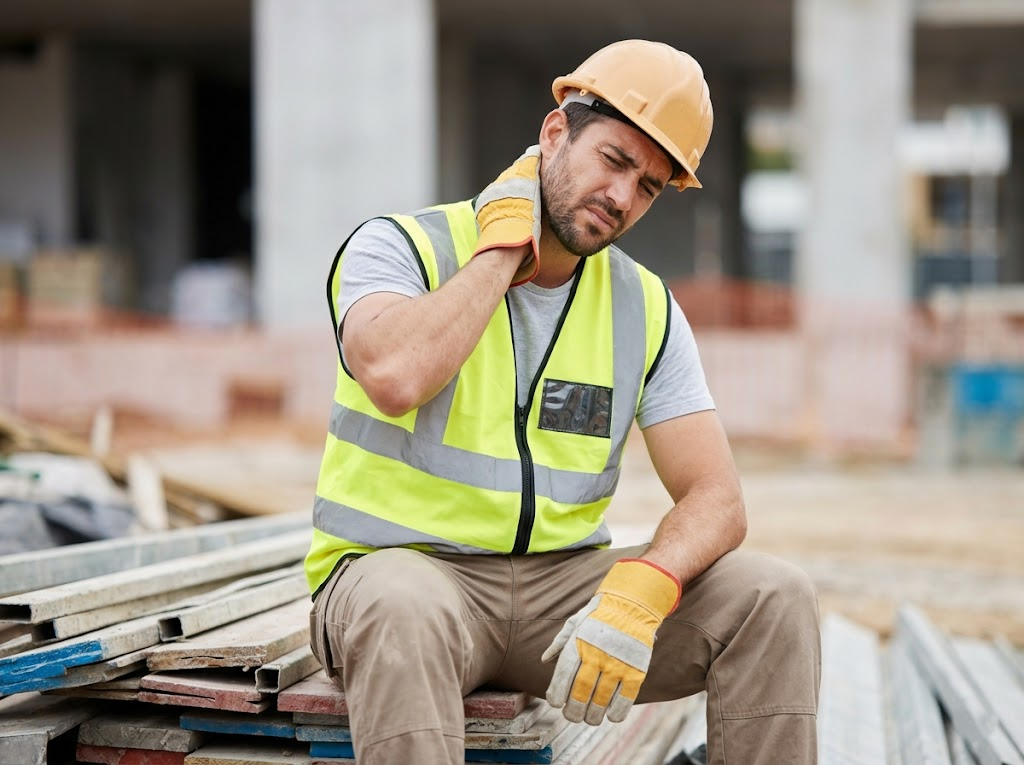
The financial toll adds up quickly, too. Across all industries, MSDs account for nearly 30% of workers’ compensation costs, with the average claim costing close to $15,000. In construction, where physical demands are higher, those figures tend to run steeper. The US construction industry is estimated to incur over $400 million in workers’ compensation costs linked to MSDs annually.
What makes this particularly difficult is that many construction workers believe these injuries simply come with the territory. Research involving workers and union staff found that a significant number did not believe changing the nature of their work could prevent MSD-related injury or pain. That belief is worth challenging, because the evidence points in a different direction.
Three Injuries Construction Workers Know Too Well
Not all MSDs are equal. Some are more common, more debilitating, and more closely tied to specific construction tasks. These three keep coming up in the research and in site injury records.
Lower Back Pain
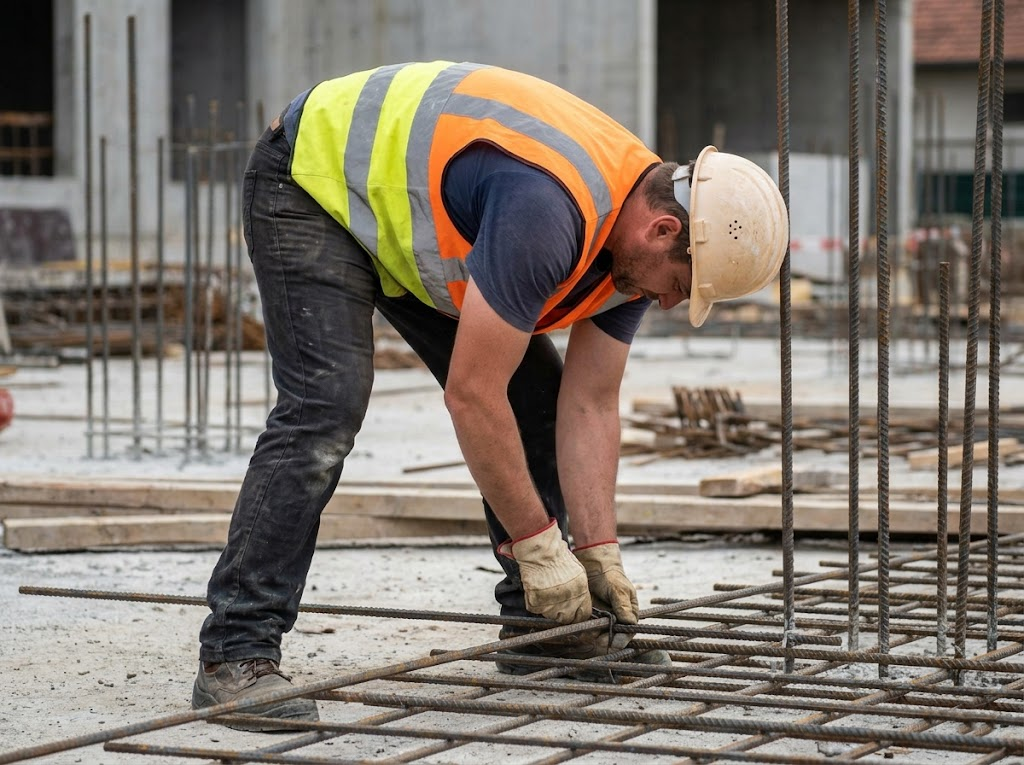
Lower back injuries are the most common MSD in construction by a significant margin. Back injuries in the US construction industry occurred at a rate 50% higher than the average across all other industries, and lower back pain remains one of the leading causes of extended time off in the sector.
The physical reasons behind this are fairly direct. Lifting heavy materials, tying rebar at ground level, prolonged stooping, and sustained bending all place heavy loading on the lumbar spine. Research shows that working at foot-level height generates the highest muscle activity in the lower back and spinal muscles, which creates conditions for both acute injury and gradual tissue damage.
Lower back injuries are also particularly insidious because they tend to develop gradually. Workers shift their posture to manage pain; those compensating positions create new strain elsewhere, and the problem compounds before anyone addresses the root cause.
Rotator Cuff Tears
Many construction trades spend a substantial portion of the workday with their arms raised above shoulder height. Electricians, painters, drywall finishers, and HVAC installers all work overhead regularly as part of their trade.
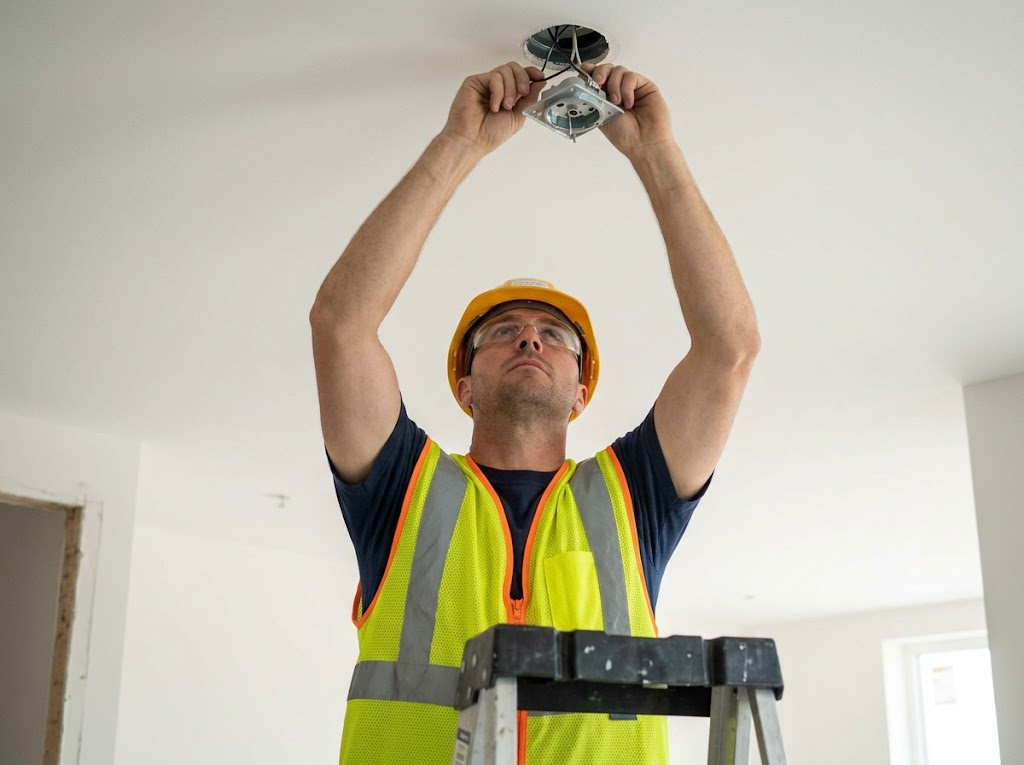
When the arm is elevated above 60 degrees, the subacromial space inside the shoulder begins to narrow. This is the gap through which the supraspinatus tendon of the rotator cuff must pass. Raise the arm further, to between 95 and 106 degrees, and the tendon gets pinched between the bones. Repeat that across hundreds of working days, and the damage accumulates. Overhead work combined with repetitive motion, sustained force, and awkward arm positioning is directly linked to rotator cuff tears, tendinitis, bursitis, and neck strain.
A full rotator cuff tear can leave a worker unable to lift their arm at all without pain, and surgical recovery takes months. Long-term overhead occupational load has been shown to significantly increase the risk of developing rotator cuff tears, particularly among workers who have spent many years in trades that regularly require elevated arm positions.
Knee Deterioration
Flooring, tiling, plumbing, and much of the electrical trade all involve significant time spent kneeling, squatting, or crouching. These postures place a level of load on the knee joint that accumulates in ways that are not immediately obvious.
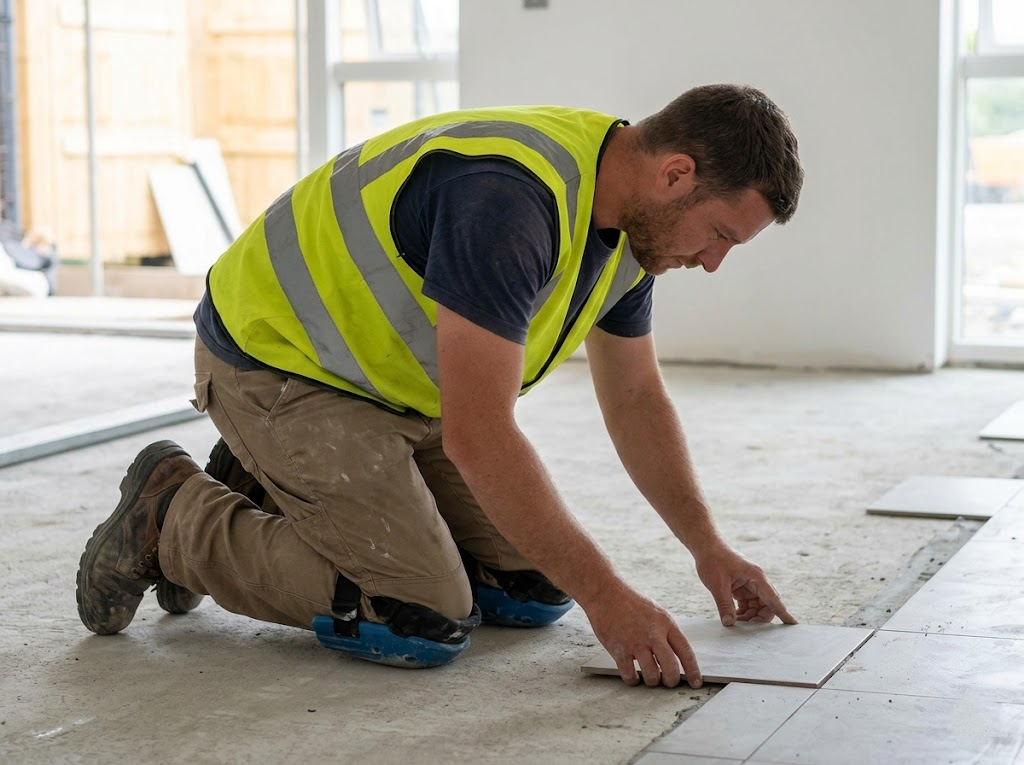
Workers who spend a good deal of time kneeling place around 89% of their body weight through a small surface area of the knee. Over time, that concentrated pressure degrades cartilage, inflames the bursa sac, and places repeated stress on the meniscus. Kneeling and squatting postures are closely associated with knee osteoarthritis, meniscal tears, and bursitis among construction workers, with floor layers and tillers bearing the brunt.
Knee osteoarthritis involves cartilage breakdown that the body cannot repair. What starts as post-shift stiffness can progress over the years into chronic pain that affects mobility well beyond the worksite.
What Ergonomics for Construction Workers Actually Addresses
The word ergonomics tends to conjure images of office chairs and monitor heights. For construction workers, it means something different but follows the same logic: fitting the demands of the work to the human body’s capacity, rather than asking the body to absorb whatever the job throws at it.
Applying ergonomics for construction workers targets the root causes of MSDs, the postures, forces, repetitions, and durations that create injury risk in the first place. Pain medication, physiotherapy after an injury, and time off work all address consequences. Ergonomics addresses causes.
Changing How Work Is Set Up
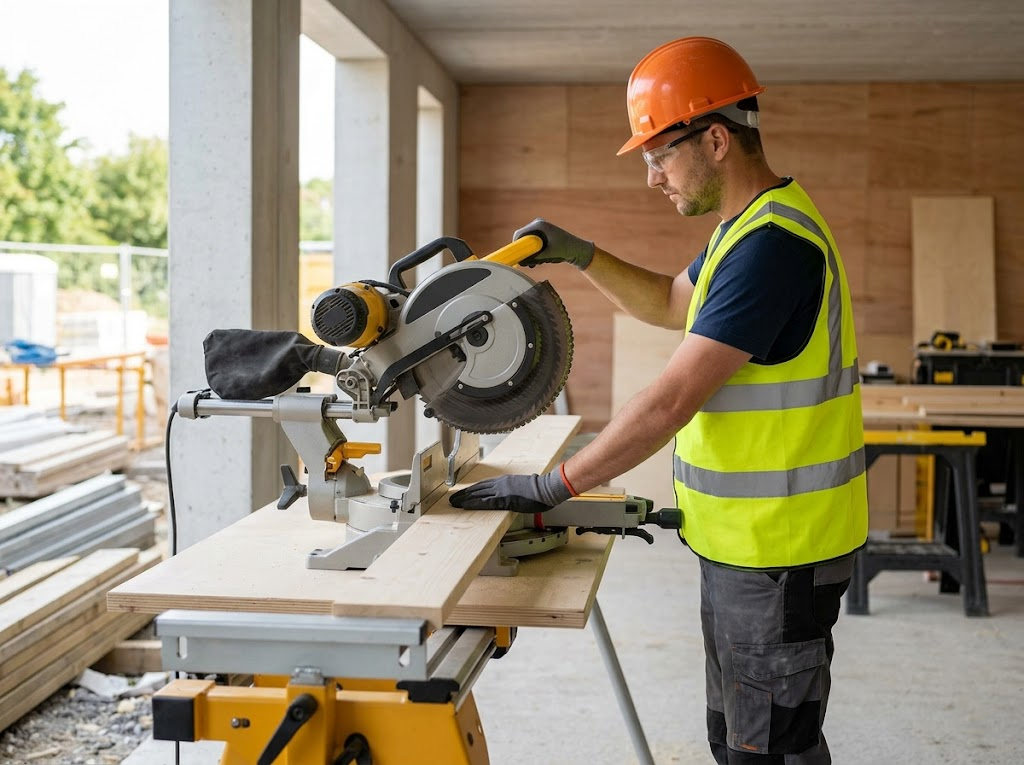
A large share of MSD risk in construction comes from the position in which tasks are performed, and that positioning is often something that can be changed with planning. A construction site designed with ergonomics in mind can substantially reduce the risk of back injuries by considering work surface height, material placement, and task sequence before work starts.
Some practical adjustments that reduce the load for workers:
- Work at knee-to-waist height where possible. These positions generate the least spinal muscle activity. Foot-level and shoulder-height tasks carry significantly more risk.
- Stage materials at a reasonable working height. Removing the need to lift from the floor or reach overhead eliminates some of the most damaging postures in the daily routine.
- Pre-fabricate components off-site at a comfortable height. Reducing the time workers spend in awkward, sustained positions on-site is one of the more direct ways to lower cumulative exposure.
- Rotate tasks across the shift. Mixing high-demand physical work with less demanding tasks gives the muscles and joints involved time to recover before the load accumulates to a harmful level.
Choosing the Right Tools
The tools workers use every day either contribute to or reduce ergonomic risk. Ergonomic tool design is one of the most impactful ways to reduce injury in construction, and the gap between a well-designed tool and a poorly designed one can be significant over a long shift.
Lighter tools, extended handles, powered alternatives to manual labor, and padded knee supports for floor-level tasks all reduce the physical demands on the body during common construction activities.
NIOSH specifically recommends tools such as rebar-tying machines as practical ergonomic solutions that eliminate high-frequency hand and wrist motions and allow workers to perform tasks while standing. The same principle applies across trades: wherever a tool or piece of equipment can reduce force, awkward posture, or repetition, it is worth considering.
Building Awareness Through Training
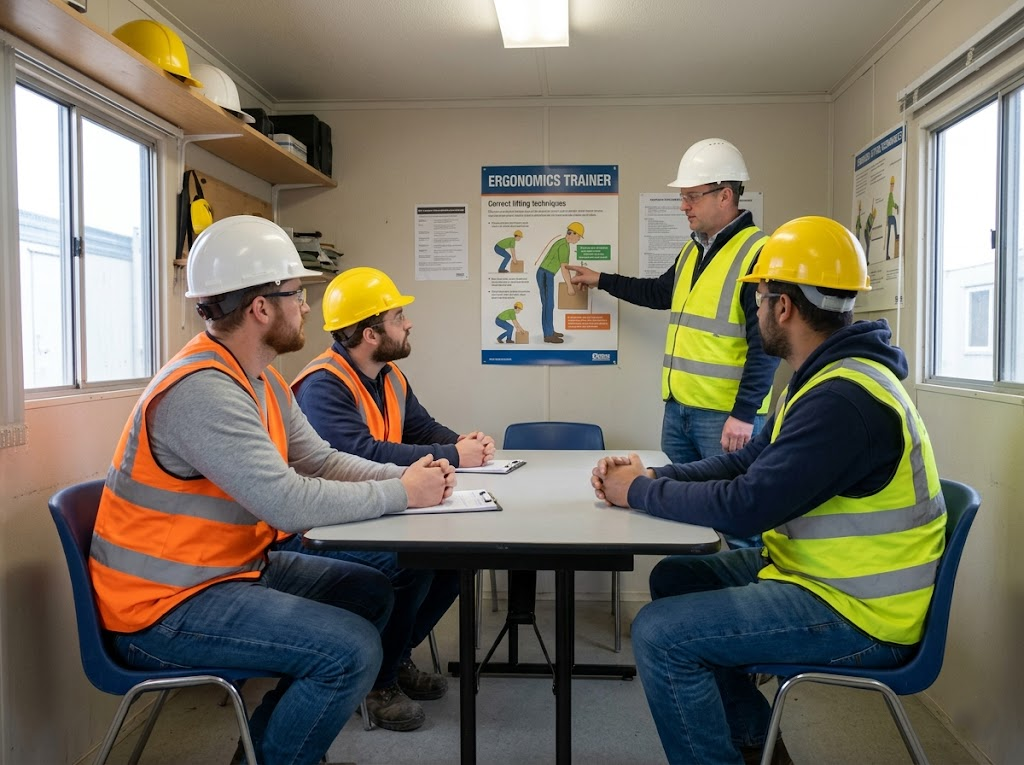
Many construction workers lack adequate access to information on ergonomic solutions, and ergonomics is often absent or minimal in apprenticeship training. Workers enter their careers without the context to recognize what is accumulating in their bodies or how to work differently.
Good ergonomics training helps workers understand:
- Which postures and movements carry the most physical risk
- How to spot early signs of MSD-related discomfort before they progress
- Proper body mechanics for lifting and carrying different types of loads
- How to use protective equipment and ergonomic tools correctly
- When and how to take recovery breaks during physically intensive tasks
Effective training makes workers more aware of what causes their pain, helps them identify symptoms early, and creates a culture in which reporting discomfort is normalized. That reporting loop matters a lot because early intervention is far less disruptive than waiting until an injury is serious.
Training also lands better when it is specific. A general health and safety briefing rarely changes how someone lifts or positions themselves on a job. Ergonomics education is significantly more effective when delivered in workers’ own language and reflects the tasks they perform every day.
Why Acting Early Makes Financial Sense
There is a practical business case for ergonomics programs in construction alongside the human one. Construction employers save between $4 and $6 for every $1 invested in safety programming, accounting for reduced compensation claims, lower turnover, and less time lost to injury management.
Non-fatal MSD injuries in construction result in around eleven days away from work per incident on average. Across a larger workforce, that adds up to a significant drain on productivity and project continuity. An ergonomics program does not eliminate all risk, but it consistently reduces both how often injuries occur and how severe they are when they do occur.
How Ergo Global Works With Construction Teams
At Ergo Global, we understand that construction is a different environment from an office, and we work accordingly. Our certified ergonomists, many with occupational health and physiotherapy backgrounds, carry out on-site and virtual assessments tailored to the specific demands of your workforce, whether that means floor-level trades, overhead installation work, or heavy manual handling.
We offer ergonomics programs that cover risk assessment, practical training, tool and task evaluation, and ongoing program management so that improvements are sustained rather than one-off. We also work with health and safety organizations globally as their specialist ergonomics partner. Construction workers deserve more than a conversation after an injury.
Reach out to our team at Ergo Global and let us help you build something healthier.